
On July 27, 2018, the Russian State Duma passed first reading of a draft bill entitled "On Amendments to Part Four of the Civil Code of the Russian Federation (on geographical indications)" (the Bill on geographical indications (GIs)).
As a part of the general legislative process, a bill has to undergo three readings at the Russian State Duma before it is in force. Comments may be received and amendments to the bill can be introduced up to the second reading.
The Bill on GIs is a welcome development. It aims to fulfill Russia's World Trade Organization (WTO) obligations under Articles 22 and 23 of the Trade-Related Aspects of Intellectual Property Rights (TRIPS) Agreement which requires protection of geographical indications. Previously existing protection for Appellations of Origin in Russia will continue to exist. But geographical indications will be easier to obtain, since for GIs only one part of the production process which gives the product its special qualities or reputation has to be attributed to a certain geographical location.
There will be two routes for obtaining protection:
- For new GIs - by filing an application directly in the Russian Patent Office
- For GIs previously registered in the country of product's origin - by filing the registration certificate and accompanying documents in the Russian Patent Office.
However, according to the Bill, earlier registered appellations of origin cannot be converted into geographical indications for the same type of goods and vice versa.
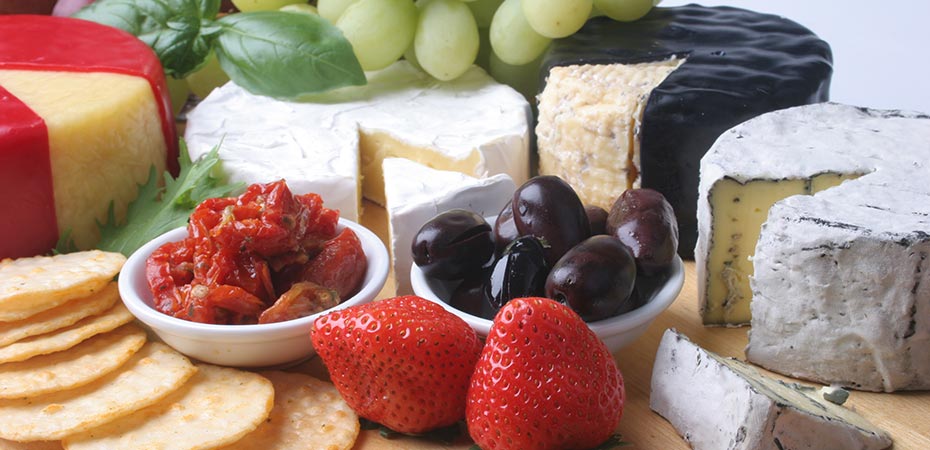
In 2014, Russia imposed a ban on the importation of food products from Europe, the United States and elsewhere. Because previously imported foods such as cheeses and meats were no longer available, Russian manufacturers began to fill that gap with their own locally produced substitutes. It was all the more tempting for these producers to adopt descriptors from famous regions such as Brie, Camembert, Roquefort, Edam, Parma, Port etc…and this is what one often sees in local grocery stores in Russia today.
What will these changes mean for your business?
- a new type of protection may be associated with your products in Russia;
- there will be a more accessible means of intellectual property (IP) protection associated with geographical origin when compared to appellations of origin;
- there will be new ways to stop the sale of knock-offs and of products that are misleading in terms of their place of origin.
The Bill is currently undergoing further amendment in preparation for its second reading, which means you have a unique chance to communicate your interest to members of Parliament.
There is no formal call for submissions. Comments may be submitted informally by any individual stakeholders or brand associations. Alternatively, our experts can also do so on your behalf.


